Battery & Energy Storage Sheet Metal
Outdoor Battery Cabinets Should Be Built Around the Energy System Inside
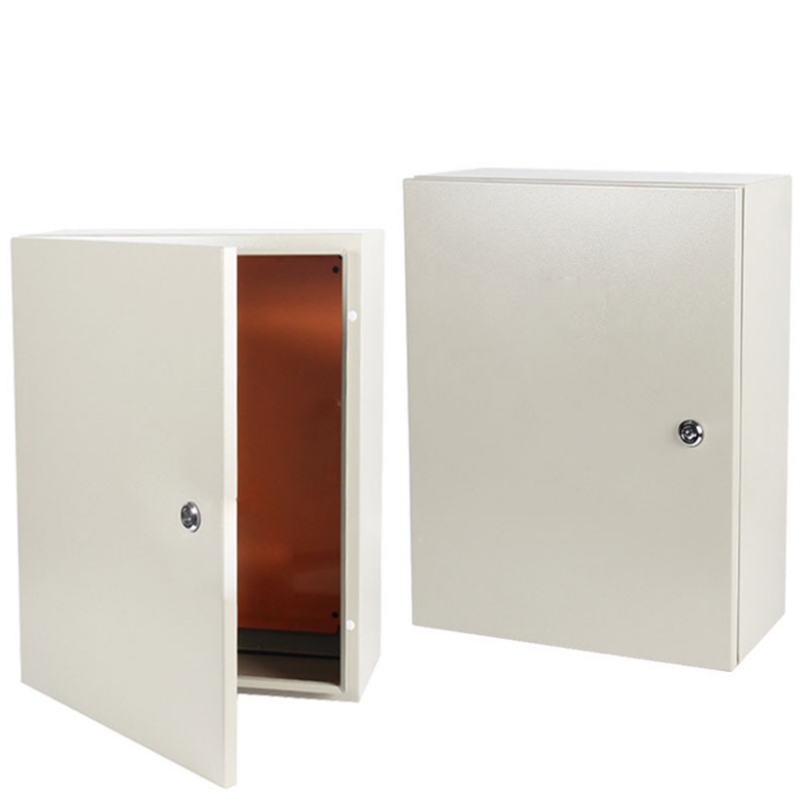
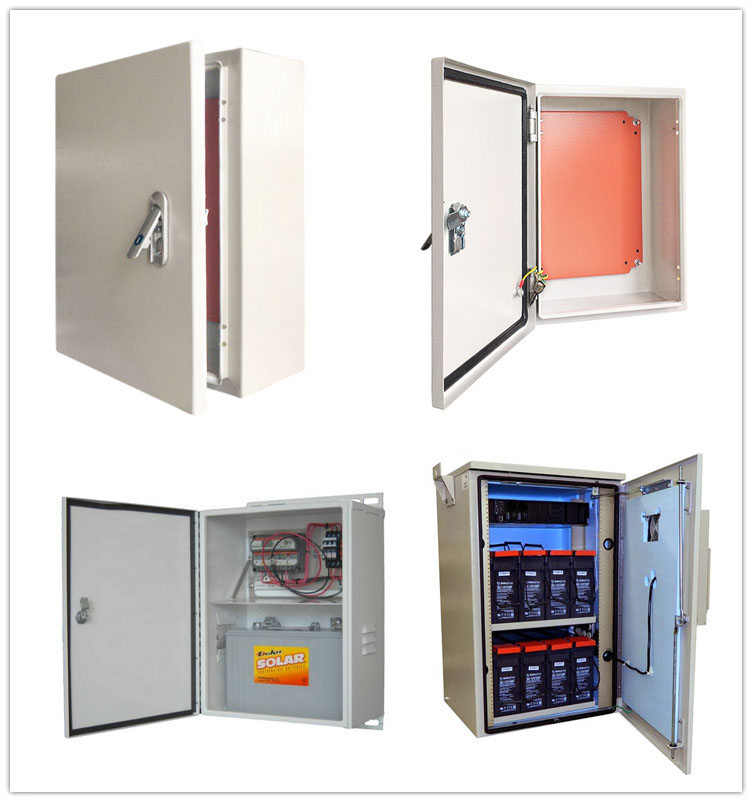
A battery storage cabinet must coordinate battery modules, electrical equipment, cable entry, mounting structures, ventilation or thermal interfaces, access panels, and outdoor protection requirements within one sheet metal assembly.
Hongming Sheng manufactures custom battery and energy-storage cabinets according to customer drawings and equipment layouts.
Email:info@hms1688.com
Send Battery Cabinet DrawingBattery Module Space
Cable Interfaces
Thermal Openings
Service Access
Battery Cabinet Examples
The Cabinet Has Two Different Design Areas
Inside the Cabinet
Battery Supports
Shelves, rails, brackets, or mounting frames according to the module layout.
Electrical Mounting
Internal plates and brackets for breakers, terminals, control modules, or related equipment.
Cable Routing
Openings and internal paths for power, communication, and grounding connections.
Maintenance Space
Access should be considered for installation, inspection, and component replacement.
Outside the Cabinet
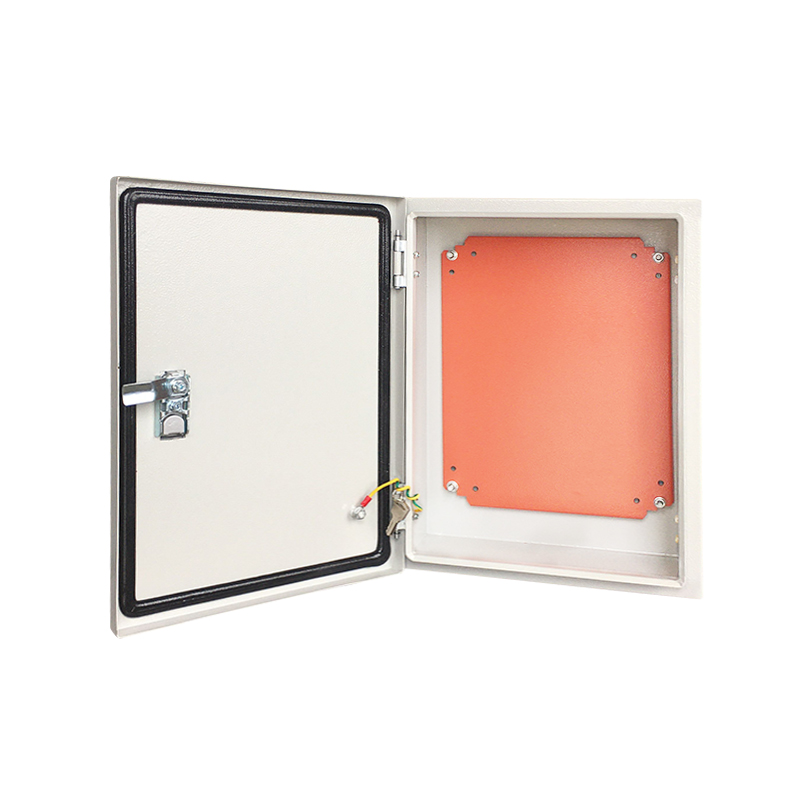
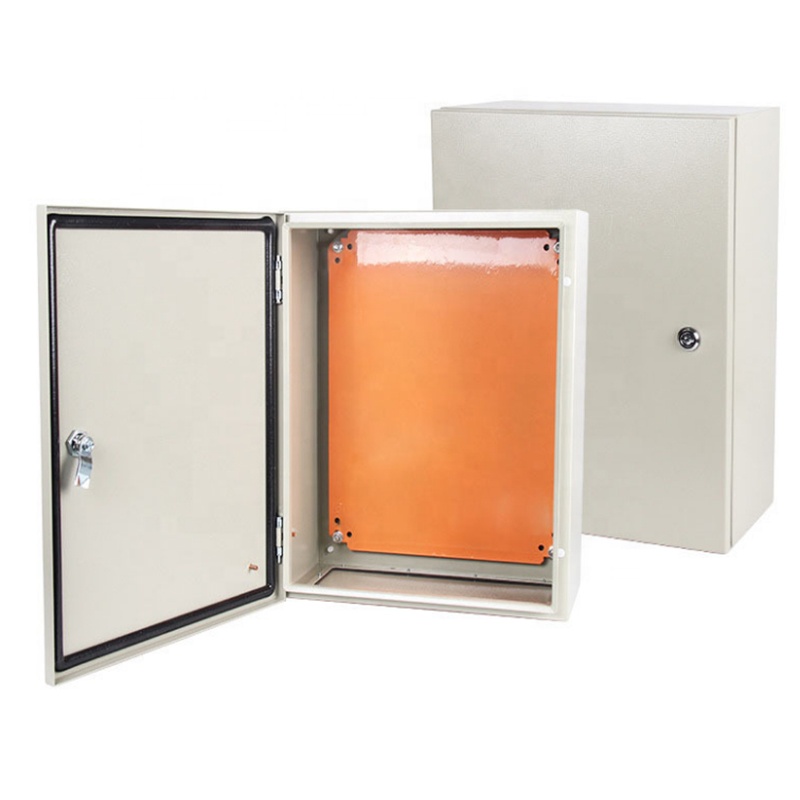
Door Structure
Hinges, locks, handles, reinforcement, and gasket interfaces.
Environmental Interface
Roof, flange, sealing area, drainage, or other project-specific outdoor features.
Ventilation / Thermal
Fan openings, louvers, filters, or other thermal interfaces where required.
Installation Base
Floor mounting, lifting, anchoring, or base-frame features according to the project.
Five Functional Zones to Review
Module Zone
Battery shelves, trays, rails, brackets, and structural supports should follow the actual module dimensions and installation method.
Power Zone
Busbars, terminals, breakers, power modules, or other electrical components may require dedicated mounting and cable clearance.
Cable Zone
Cable-entry plates, gland openings, routing space, and grounding interfaces should be coordinated with the electrical layout.
Thermal Zone
Ventilation, fan, filter, heat-exchange, or other thermal openings can be incorporated where specified by the system design.
Service Zone
Doors, removable panels, handles, fasteners, and maintenance clearance should support equipment access.
Outdoor Protection Is a System of Details
For projects requiring defined ingress protection, enclosure performance depends on more than adding a gasket. Door geometry, gasket compression, cable entries, ventilation openings, fastener layout, corner construction, and drainage details should be reviewed together.
The required protection level should be defined in the project drawing or specification so that the enclosure structure can be manufactured accordingly.
Materials & Finishes Follow the Project Environment
Common Materials
Carbon steel
Galvanized steel
Stainless steel
Aluminum
Specified Finishes
Powder coating
Galvanized finish
Brushed stainless surface
Anodized aluminum where applicable
From Drawing to Finished Cabinet
Drawing Review
→
Cut & Bend
→
Weld & Hardware
→
Surface Finish
→
Assembly
Useful Information for RFQ
● Cabinet drawing or 3D model
● Battery module and internal equipment layout
● Material and sheet thickness
● Door, gasket, and protection requirements
● Cable-entry and ventilation layout
● Internal shelves, brackets, and mounting plates
● Surface finish and color
● Quantity
Developing a Solar or Battery Energy Storage Cabinet?
Send your cabinet drawings, internal equipment layout, material, finish, sealing requirements, cable interfaces, and quantity. Our team can review the sheet metal structure and manufacturing route before quotation.
Customer drawings, CAD files, samples, and technical specifications are treated as confidential. NDA support is available for OEM projects.
Email:info@hms1688.com
Request Battery Cabinet Quote

 Our Service